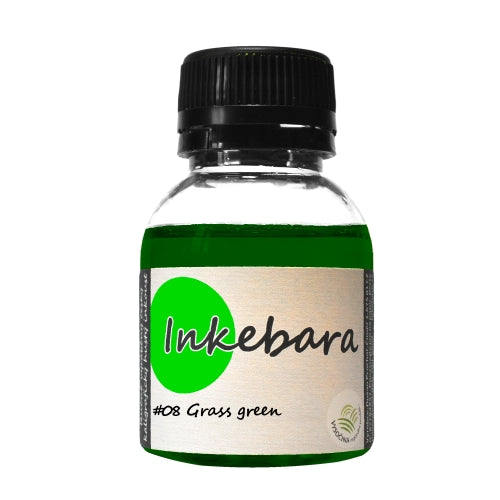
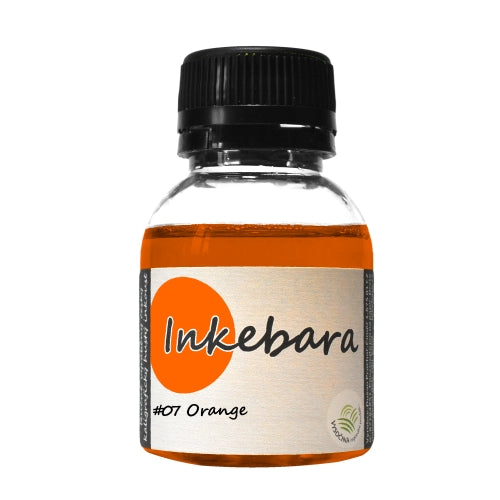
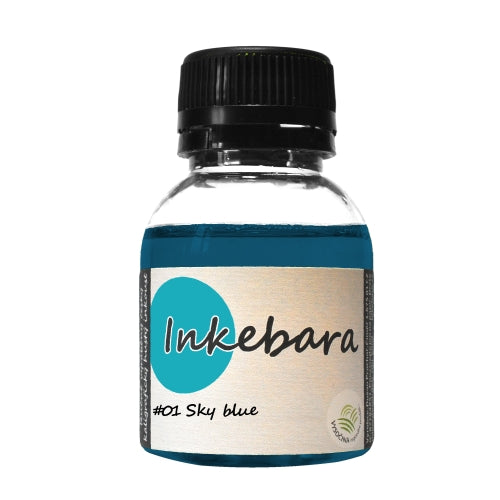
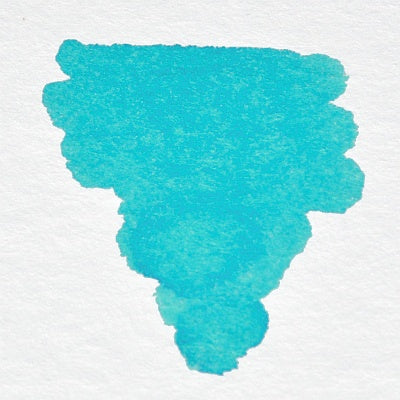
Inkebara
My name is Dušan Prachař. I am 47 years old. I work as a software developer. Yes, I know, it's very unpoetic and very far from ink production, but I have many hobbies that are really very diverse. Inkebara inks have been my long time hobby that has grown into a business. Not yet big enough to support our whole family, but one day I hope it will. I imagine that in a few years I'll retire from the IT world and be at peace with just my family and inks.
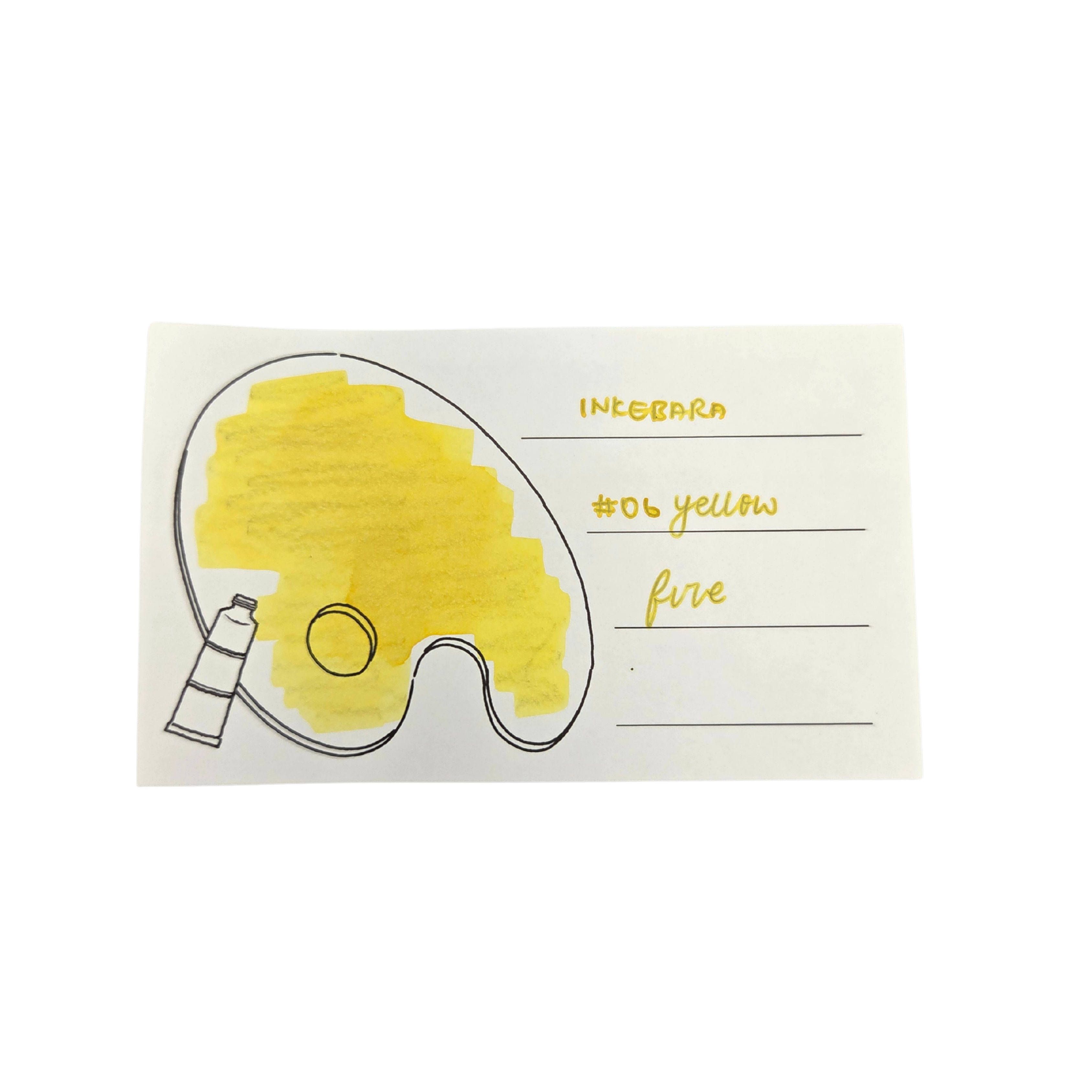
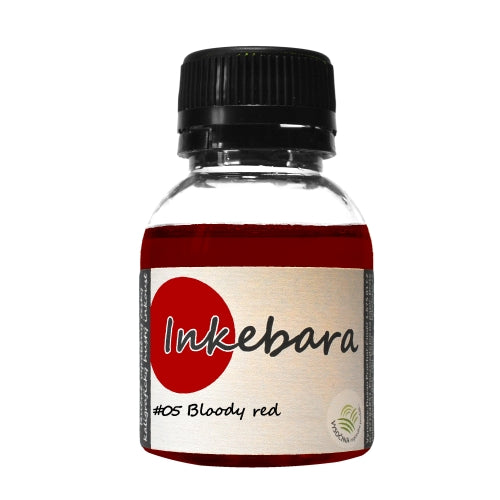
My wife Eva and I and our three small children live in the small village of Číměř (GPS 49.2012944N, 15.9977964E) (www.cimer.cz), in the Vysočina region (means Highlands), in the south of the Czech Republic. Vysočina region is situated in a hilly, windy landscape, full of forests, valleys and small rivers. Small villages and towns are typical, the largest of which (Jihlava, the centre of Vysočina) has about 50 000 inhabitants. Our village Číměř has 218 inhabitants (typical size of villages in the Highlands) and is situated on a hill, above the beginning of the valley of the Dalešice dam. It is a romantic quiet village where people are close to each other.
We have our family house in Číměř and that is also where Inkebara inks are produced in the workshop. We are a small family business, the smallest imaginable, because we do everything with my wife. I do most of the manufacturing and Eva takes care of the support activities.
I started experimenting with my own ink about ten years ago. I've always written with a fountain pen, ever since I was a kid. I have dozens of them at home. But there were very few Czech inks on the Czech market. Four to be exact - blue, red, green and black :-) That's really not enough for a pen fan. The only option was to order ink from abroad. I remember that my wife at the time ordered Noodler's ink directly from the USA, which impressed me so much that I decided to come to the Czech market with my own Czech ink. That was the initial idea. I had no idea what I was getting myself into :-) There is no manual that tells you how to make ink, what to prepare for, what to watch out for and what not to do. So I started experimenting. It was complete alchemy and study, interspersed with various (un)successful attempts. But in 2016 the first ink was created, and we trusted it enough to have our friends test it. Then in 2018, our inks were named Inkebara. Since then, over 55 original ink shades have been created. And with that, the Czech Republic finally really started to produce inks for pen and calligraphy fans. The Czech market received us very well, because Czech inks were really missing here. And now we are focused on expanding to other markets where we would like to show what we can do.
An important part of our development is that we produce several custom inks and specialty inks for several large customers. You won't find in our regular offer. These are mostly special edition inks, or inks with different physical properties that we tune for special art techniques.
When I tell someone that I make inks, they imagine test tubes, flasks, chemical apparatus, in short, a big laboratory. This is not the case in our workshop. More or less everything fits on one big table, where there are two very precise scales, a couple of measuring cups, a drawer with small tools (pipettes, syringes, cups, stirrers) and next to it there is a cabinet with chemicals. Next to it are two microscopes for checking the results and a computer with a printer on which we print our own labels. Ink production does not need much space or equipment. It's all about procedures, how, when and what to do. Our inks have about 14 components. Some of them need to be weighed with microgram precision. Some need to be heated, others need to be cooled during mixing. All of the formulas we have developed completely on our own and are our most precious treasure.
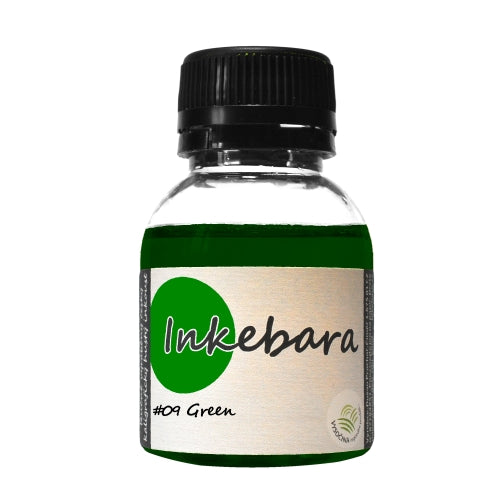
The stacks of empty bottles, shipping boxes and ink supply bottles take up the most space in our workshop. Since we already have 48 commonly available inks, in two ink variants (for fountain pens and calligraphy), and for each variant we have 3 more variants of bottles and caps, several language variants of labels, we have to handle each order by filling the chosen bottle from the stock bottles, capping and applying the propper label when the order arrives. This is all done by hand. We simply cannot stock 100 of each shade in all bottle, cap and label variations. We would need to stock about 40,000 litres of ink in bottles :-D
Therefore, if you order inks from us, it will take us a while to prepare your order. But over the years we can do it quickly ;-)
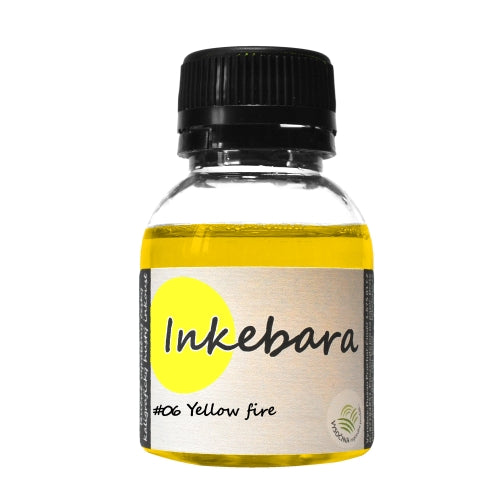
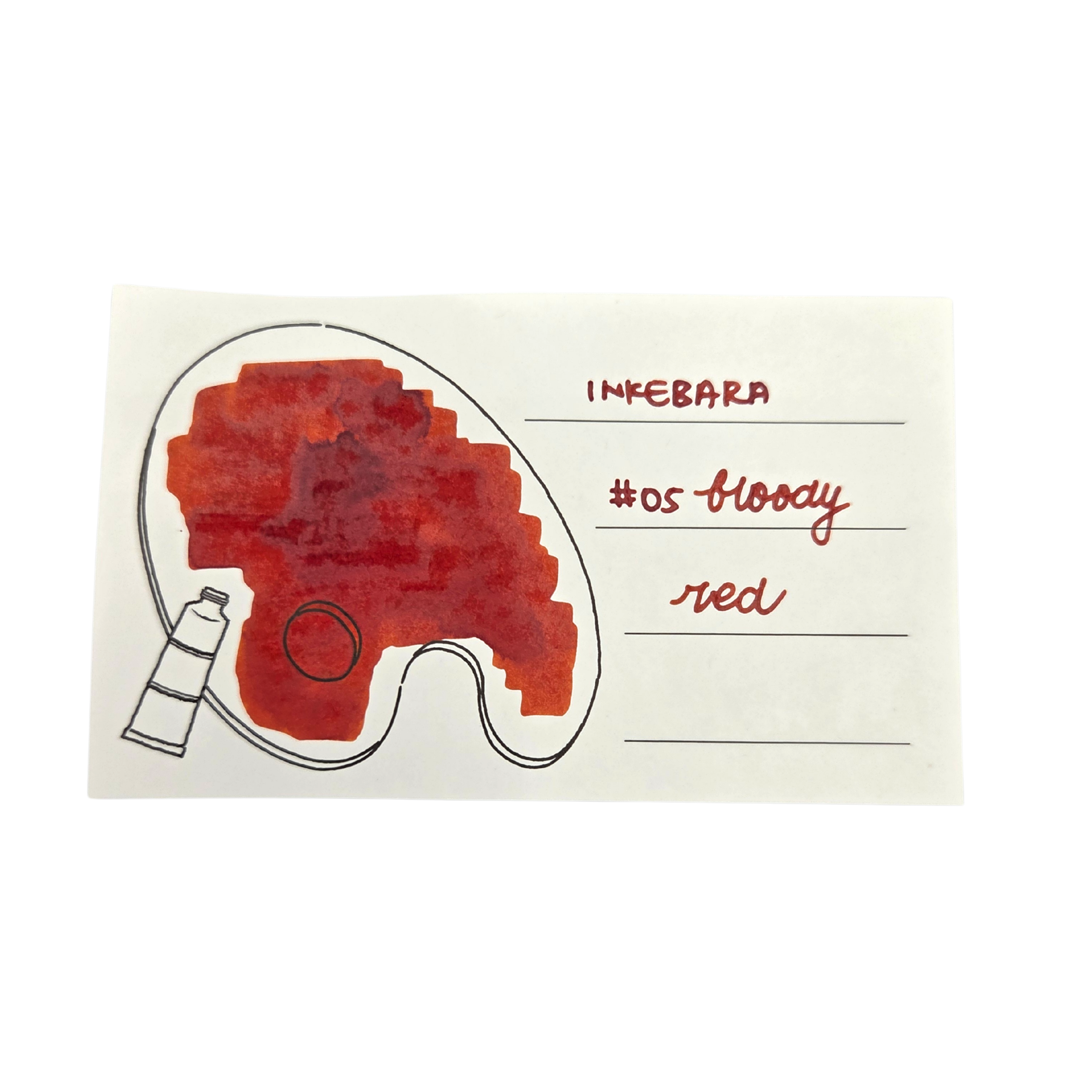
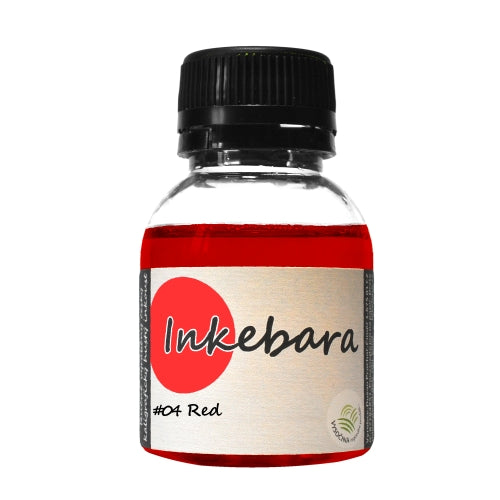
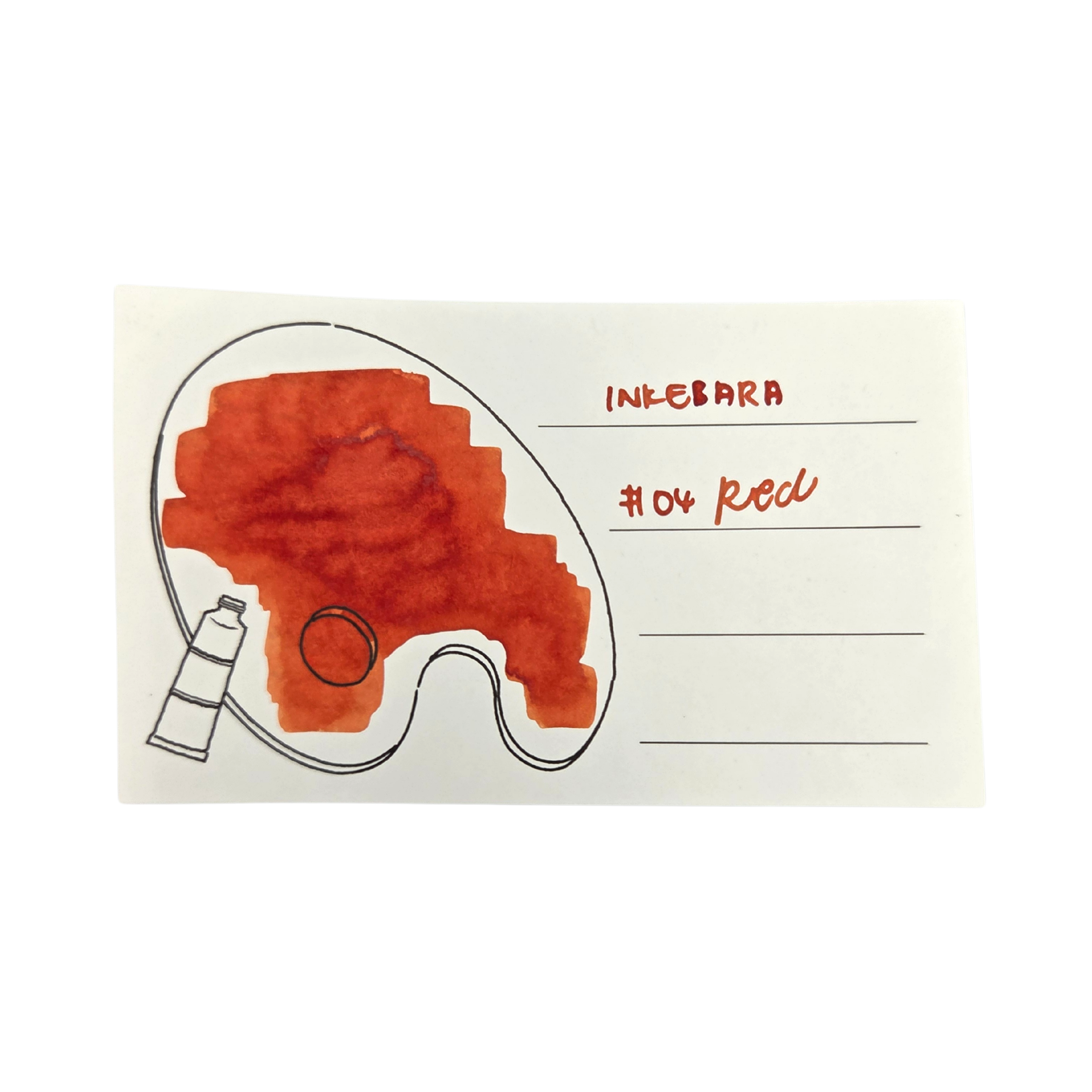
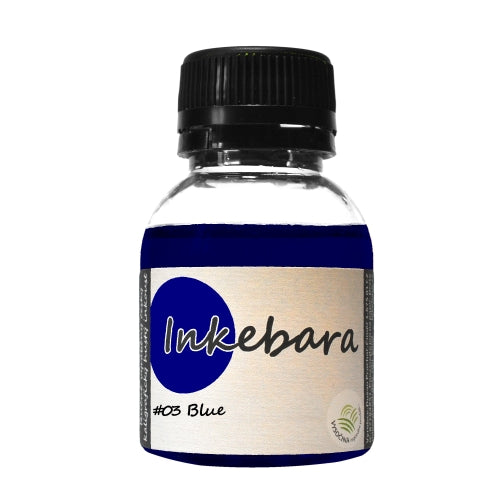
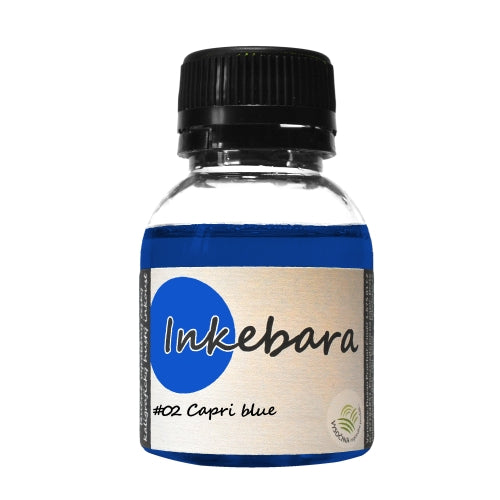
We do everything by hand with my wife. We don't have any filling or labeling machines or employees. We design and print our own labels. The only exception is the images for our picture labels, which we have custom painted, but again, this is handmade. We pride ourselves on our handmade work. So every bottle has a piece of our work in it and every bottle is an original that has passed through our hands several times. Thanks to this, our inks have been certified as a "Regional Product of the Highlands" by the Association of Regional Brands of the Czech Republic. This proves that our inks are handmade, contain at least 90% local raw materials from the Highlands, and are environmentally friendly. As we have 3 small children, we place great emphasis on using only non-toxic and safe raw materials. Sometimes this does limit us when developing new colours, but it is very important to us.
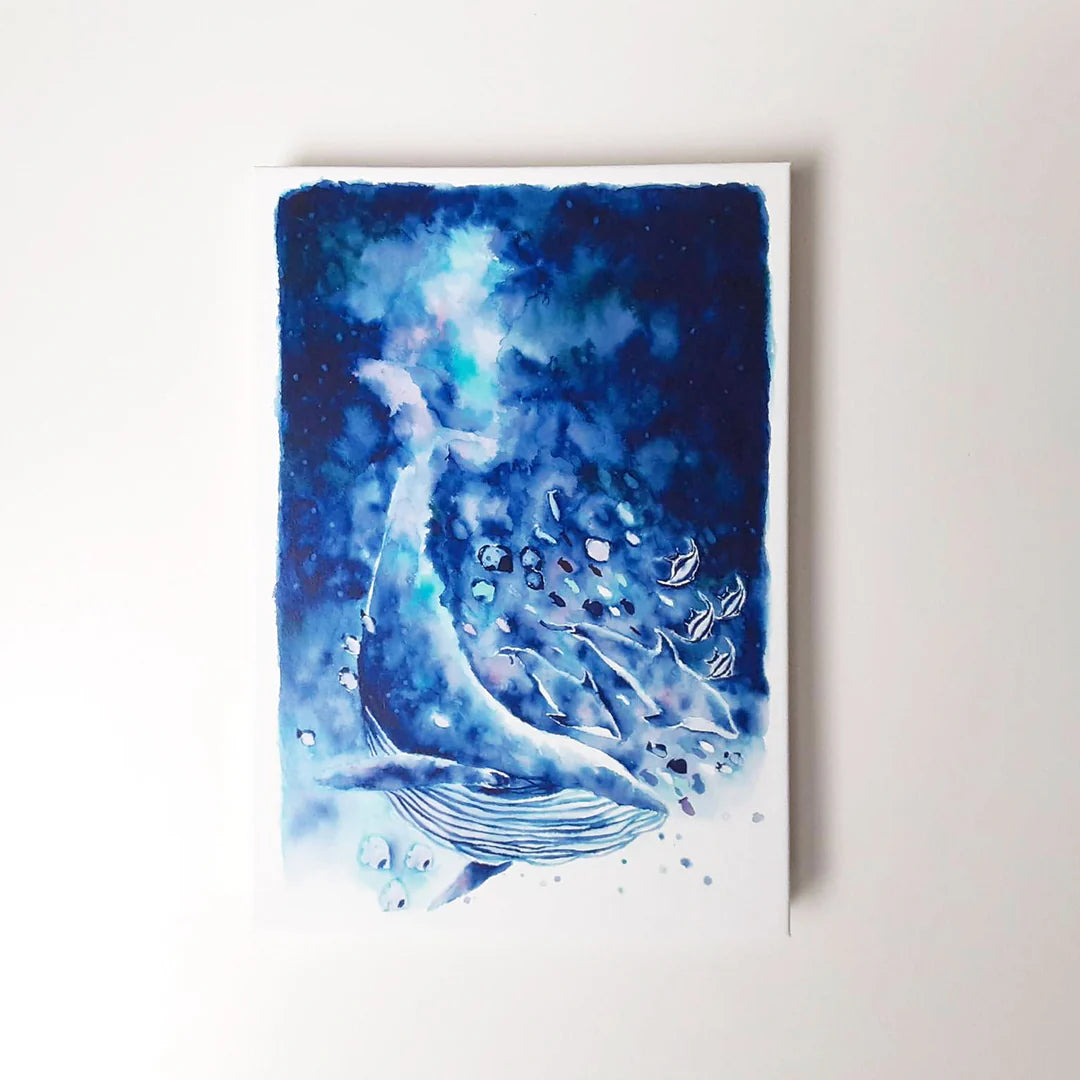
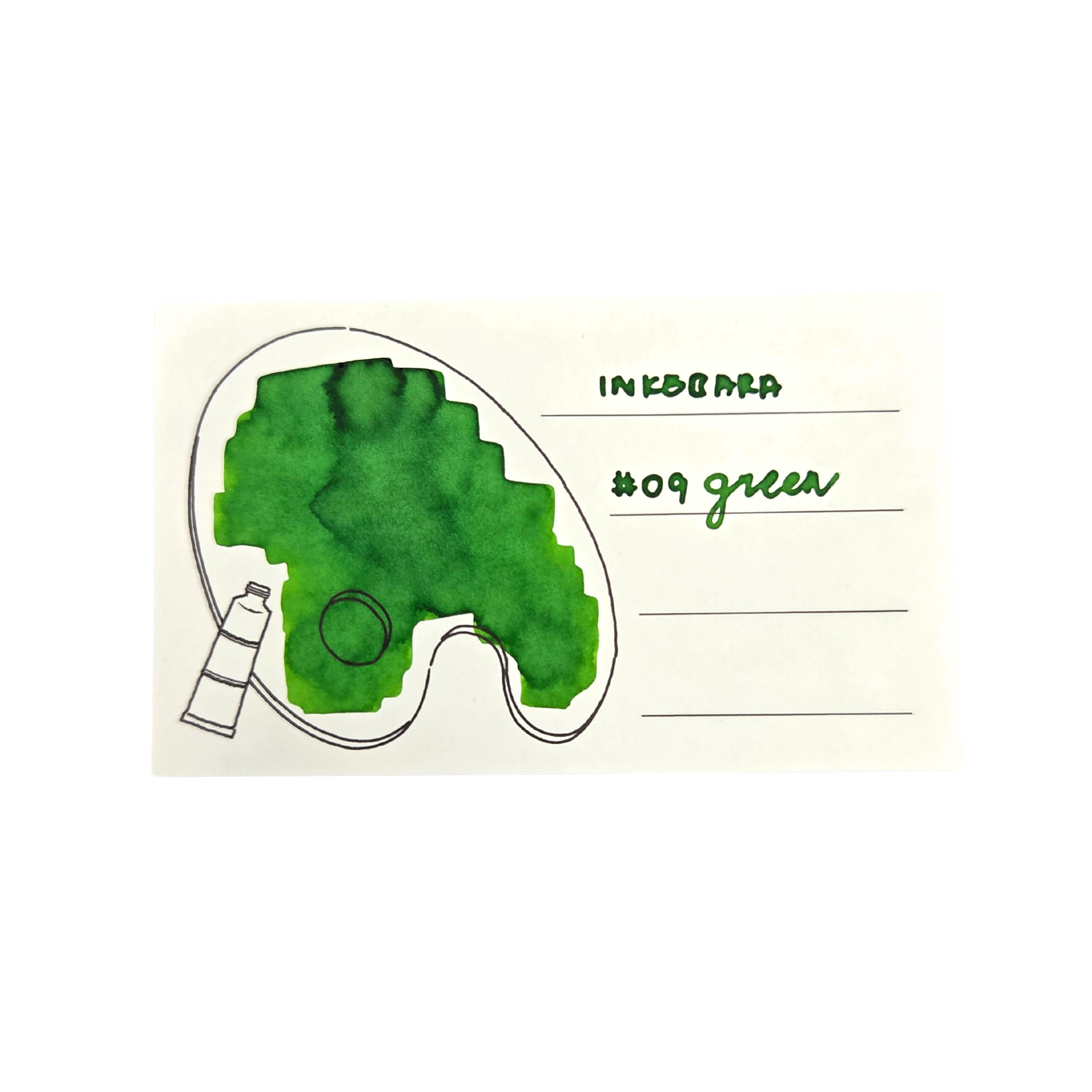
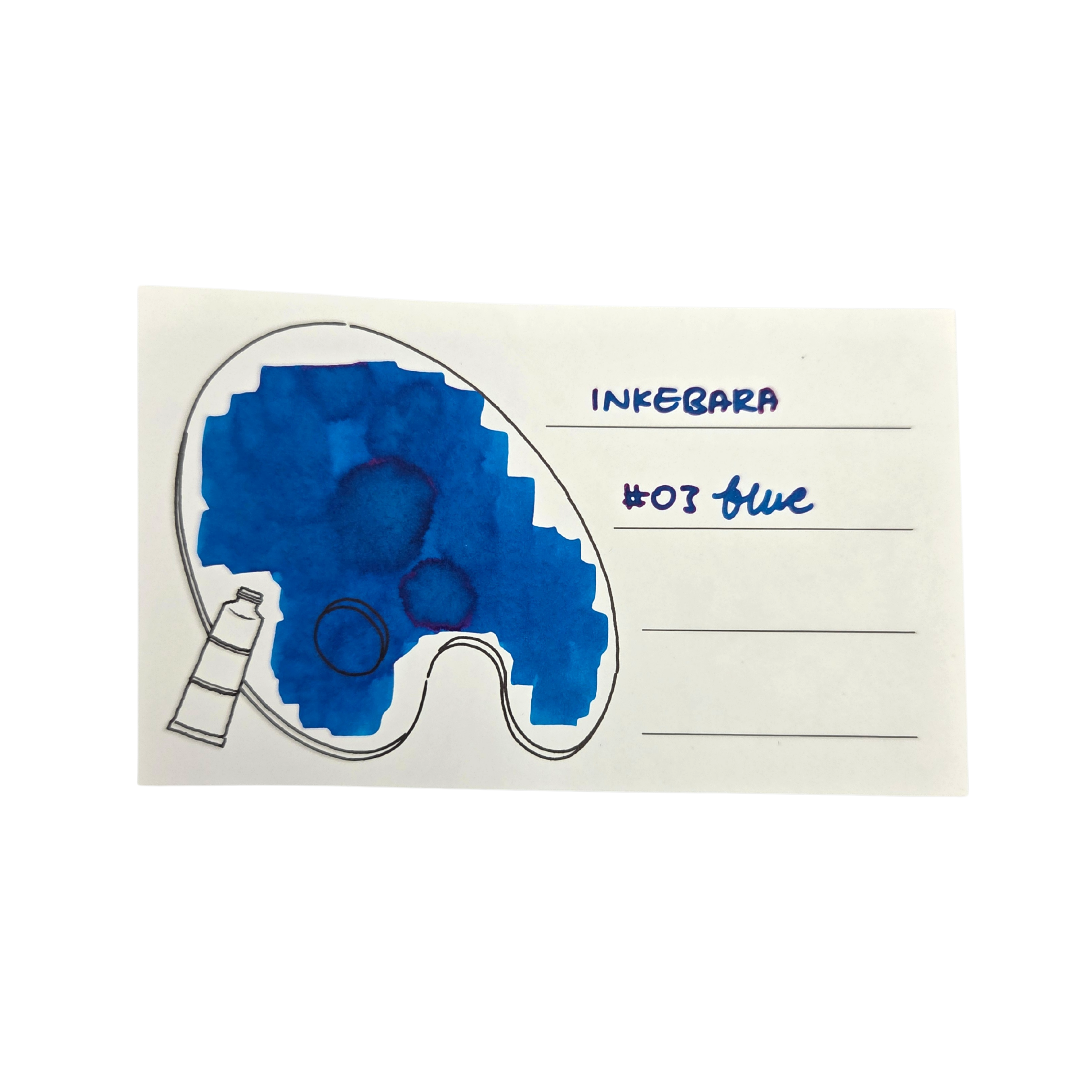
My wife and I come up with the names of our ink colours together. We are both creative people. I sometimes paint, my wife makes jewellery, so we don't have to go far for ideas. We choose the names of the inks sometimes just according to the mood they evoke in us or what they remind us of. Some of the names of the colours came from pictures that our friend and painter Karolina Burská drew for the labels.
So with every shipment of Inkebara inks, we send a piece of honest work of two enthusiasts from Číměr into the world. We hope you enjoy our inks!
Eva and Dušan
Filters
Filters